moonjin
Moonjin is a newsletter service built for literary writing. Poetry, fiction, essays, and criticism.
Writers publish newsletters, manage subscribers and payments, and archive their work in one place. Readers find writers by genre and taste, subscribe, and revisit past issues whenever they want.
Role
Product Designer
Duration
2023
Team
PM / Product Designer / FE/BE Developers
Focus
Publishing Workflow / Content Discovery


Challenge
Writers came for the readers. The busywork came with them.
Independent newsletters let writers build a direct relationship with their audience. But running one meant
stitching together separate tools to send emails, manage subscribers, verify payments, catch delivery errors,
archive issues, and promote new work. The writing was the smallest part of the job.

Readers had a different problem. They found newsletters through social media or word of mouth, and once an issue disappeared into the inbox, it was hard to ever find again.
Research
The problem was not a lack of tools, but a fragmented experience
I analyzed eight email marketing tools, newsletter services, and publishing sites,
and interviewed six writers and eight readers.
Each product solved one slice well. Marketing tools handled sending but treated writing like a campaign.
Newsletter services handled subscriptions but not literary browsing. Publishing sites displayed work
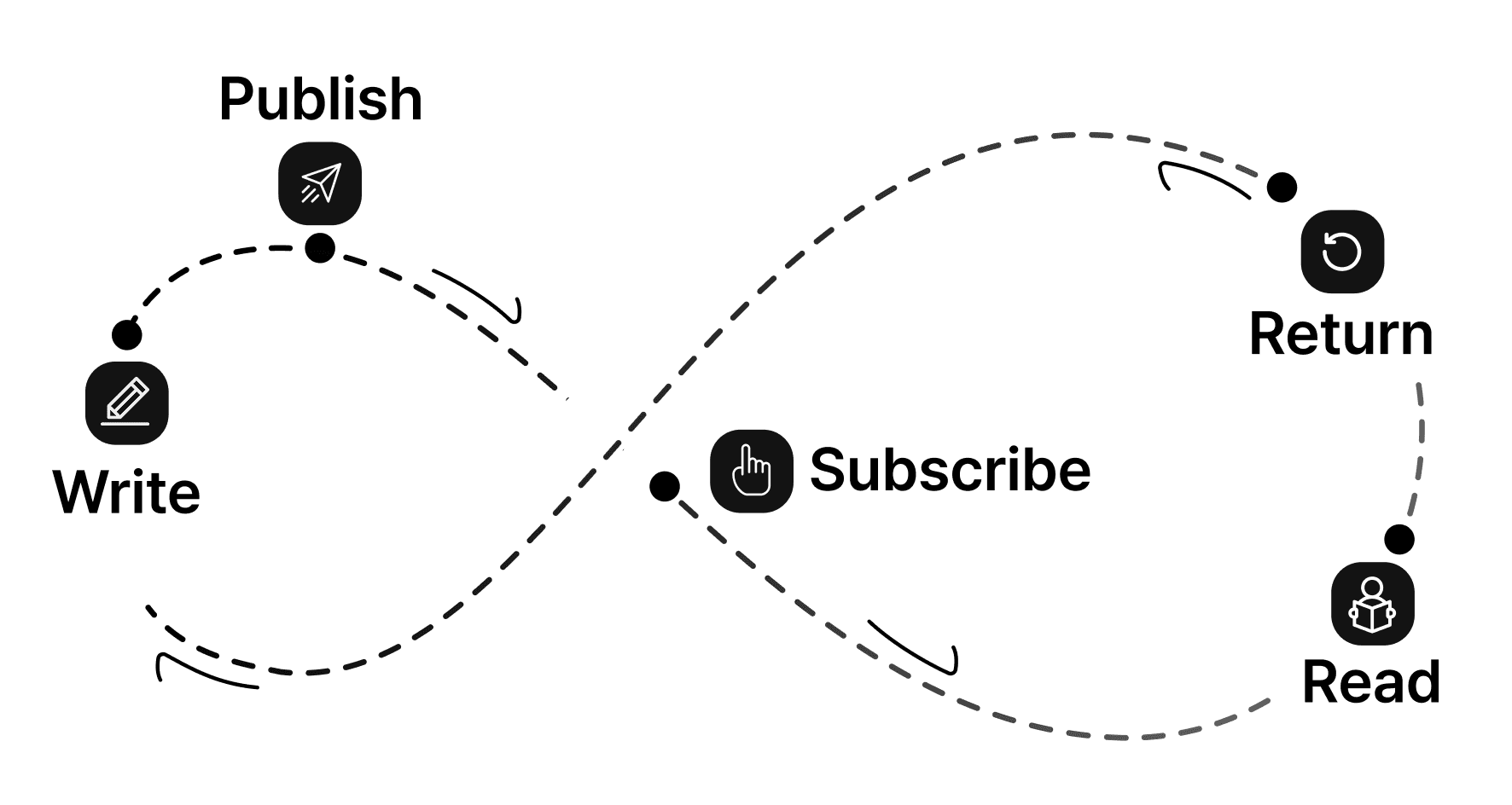
but could not deliver it. No single product covered the path from writing to reading and back.
The research revealed three gaps
Writers combined several tools to run one newsletter. Readers had no path from finding a writer to subscribing to rereading. Neither side's journey lived in one product.

Creator
The workload grew with every new subscriber, and reaching new readers still depended entirely on outside channels like social media.
Reader
Subscriptions and reading history sat scattered across inboxes, and there was little to judge a writer by before committing to subscribe.
How might we?
How might we take the operations out of publishing, so writers can focus on writing and readers can build a lasting relationship with the writing they love?
My Role
I designed the product structure and core flows end to end
As the led product design, I took Moonjin from research and information architecture to final UI and QA,
working with the PM and developers to define the MVP, its scope, and edge cases.
Key Contributions
01
Research and product direction
02
Information architecture
and user flows
03
Taste based browsing for readers


Key Solutions
Three decisions that serve both writers and readers
Moonjin launched with publishing, archiving, and taste based browsing working together.
Each solves a writer problem and a reader problem at once.


Newsletters vanish into inboxes.
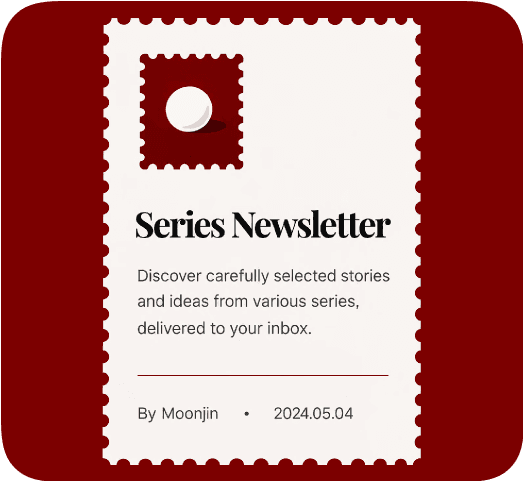
Series give writing a permanent home
readers can find, follow, and return to.
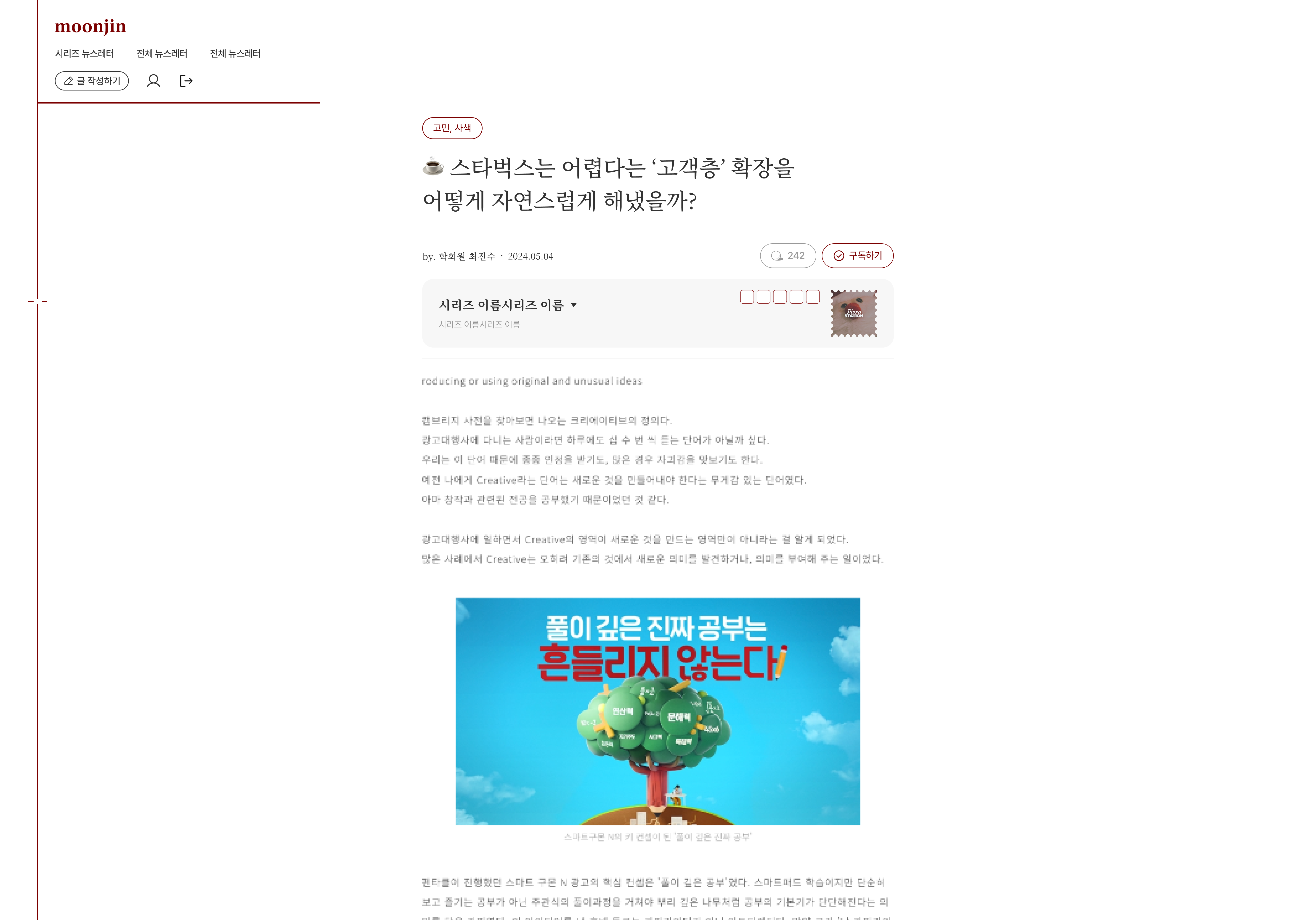
Post Detail
An email disappears, a page can be found. Every issue links back to its series and forward to a subscription.
Author Profile

Before Moonjin, subscribing was a leap of faith. A writer page turns it into an informed choice.
Dashboard for writers
Subscribers, revenue, and readership in one place so operations take a glance, and writing takes the rest of the day.
Outcome
The MVP found its first real users
01
More than 1,000 monthly active users
02
3× growth in active writers
03
Writers ran the whole loop without leaving Moonjin
04
Publishing completion improved from 58% to 91%
Reflection
A strong product must also be one a team can sustain
Moonjin found early traction, but each new feature added operational load and deepened our dependency
on a small development team. In the end, we could not maintain the service, and it was discontinued.
That changed how I design. Scope, maintainability, and team capacity are now constraints
I weigh from the first wireframe, not realities I discover after launch.
I now ask "can we keep this running?" as early as I ask "will users want this?"


Next project

Nomi